
For Esteban Salazar, design has never been limited to the creation of beautiful interiors. It is a way of shaping identity, awakening emotion, and transforming the way people experience a place.
As founder and creative director of Design Lab by Esteban Salazar, he brings nearly two decades of experience developed across Costa Rica, France, and the United States. His multidisciplinary practice moves between interior architecture, hospitality, art, branding, and experiential design, disciplines that come together in environments conceived not only to be seen, but to be remembered.
From his formative years in Paris to projects spanning hospitality, residential, restaurant, retail, corporate, and cultural spaces, Esteban’s trajectory has shaped the distinctive approach that defines Design Lab today: imaginative, strategic, deeply personal, and unafraid of the unexpected.
A Heritage Rooted in Hospitality
Esteban’s relationship with design began long before his formal education. Growing up in Costa Rica, he spent much of his childhood at the Gran Hotel Costa Rica, the landmark hotel founded by his great-grandfather, Luis Paulino Jiménez Ortiz, in 1930.
There, architecture, service, atmosphere, and ceremony formed part of everyday life. He witnessed grand banquets, international events, distinguished guests, and the precise coordination required to create an exceptional hospitality experience. From the rhythm of the kitchens and the art of service to the refinement of the interiors and the elegance of welcoming others, the hotel became his first, and perhaps most influential, school of design.
That early immersion shaped an understanding that remains central to his work today: a memorable place is not defined by aesthetics alone, but by the way it makes people feel.
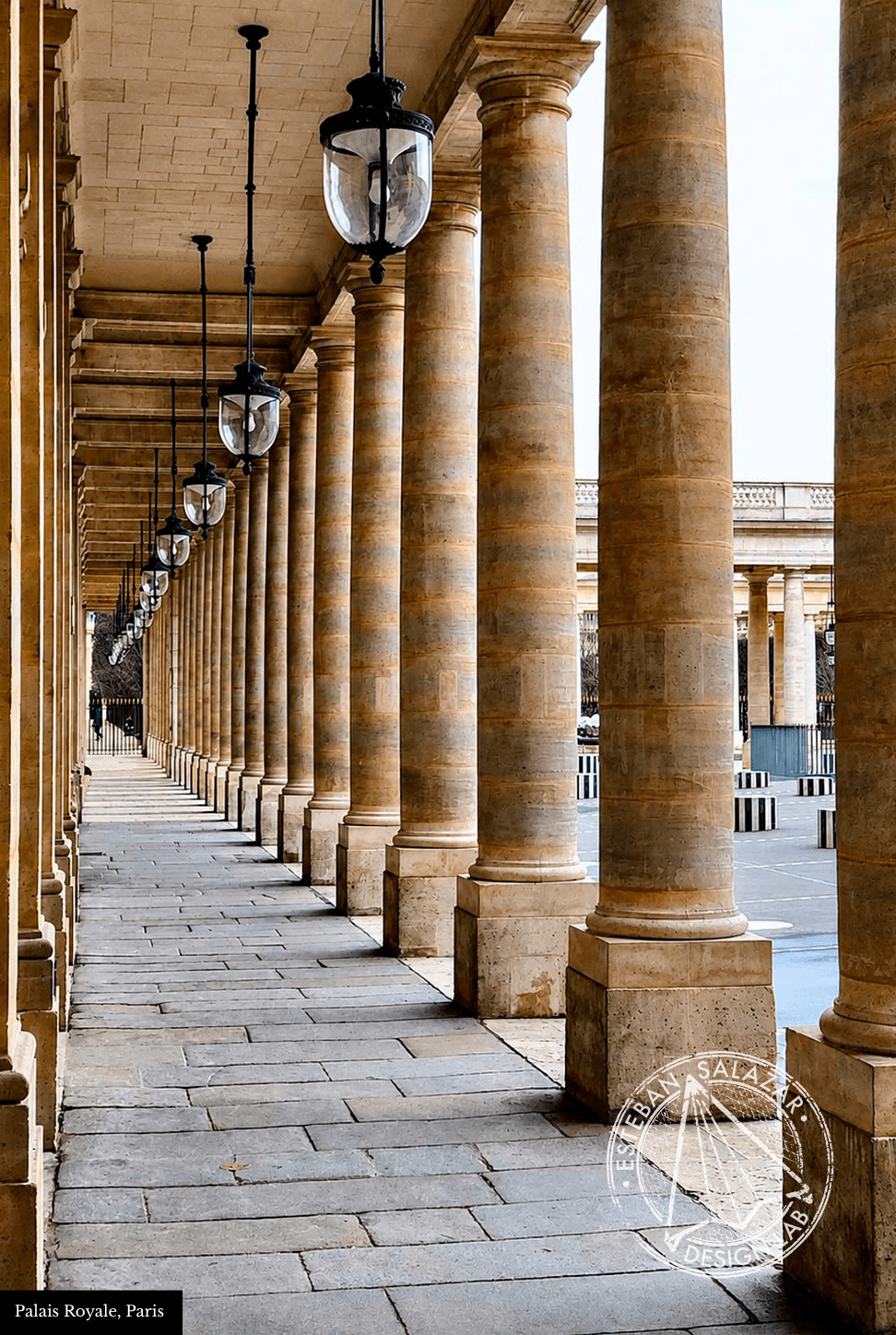
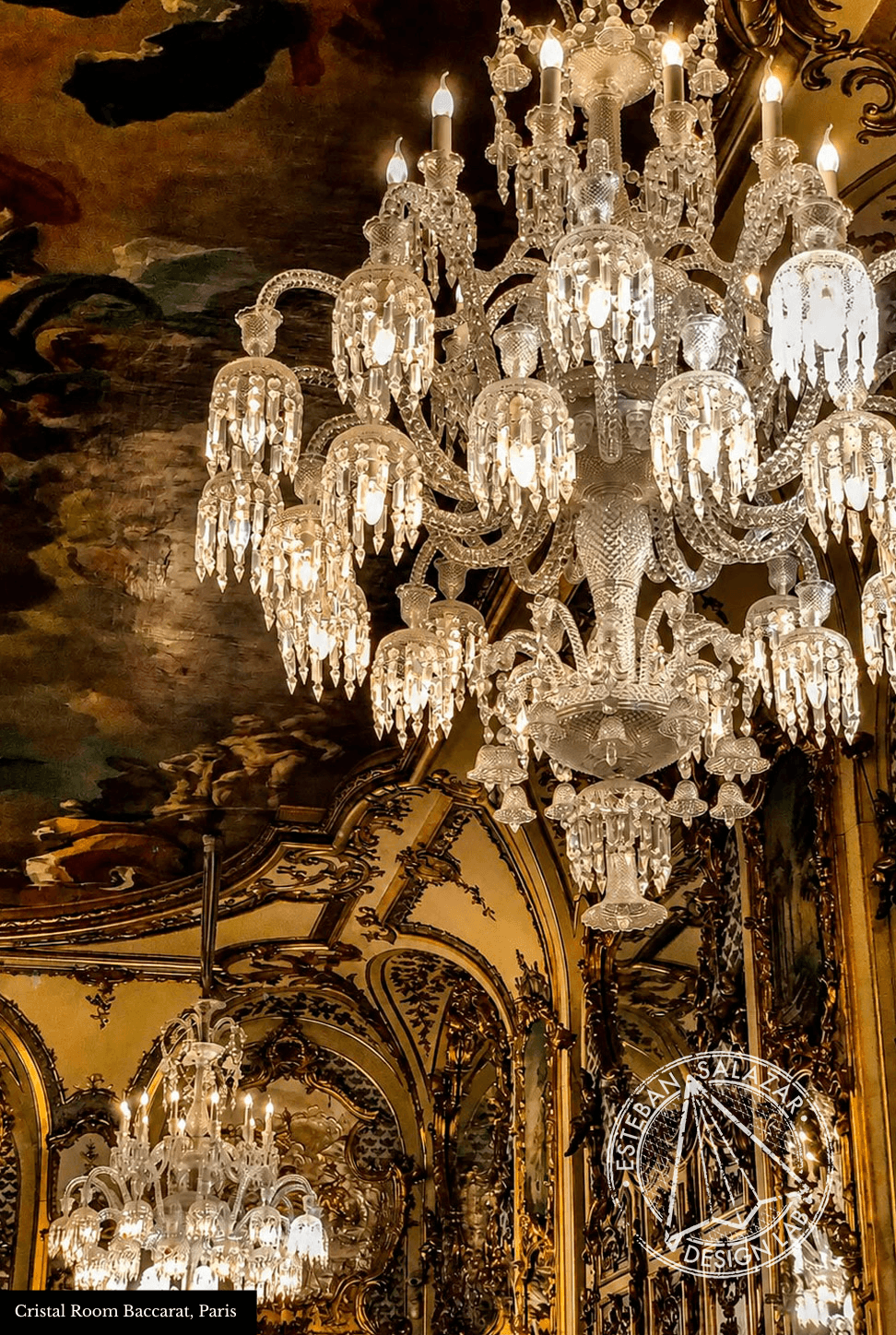
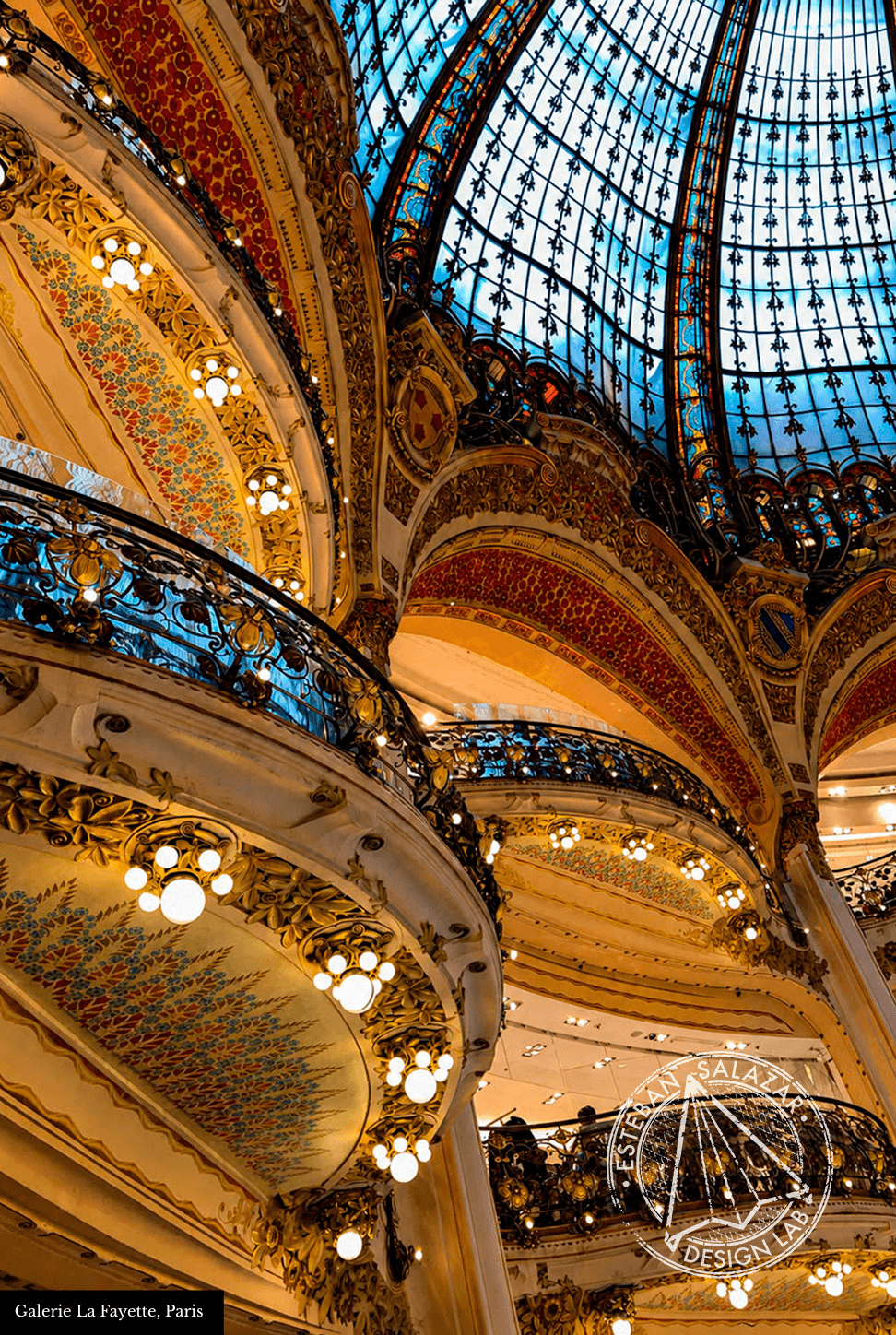
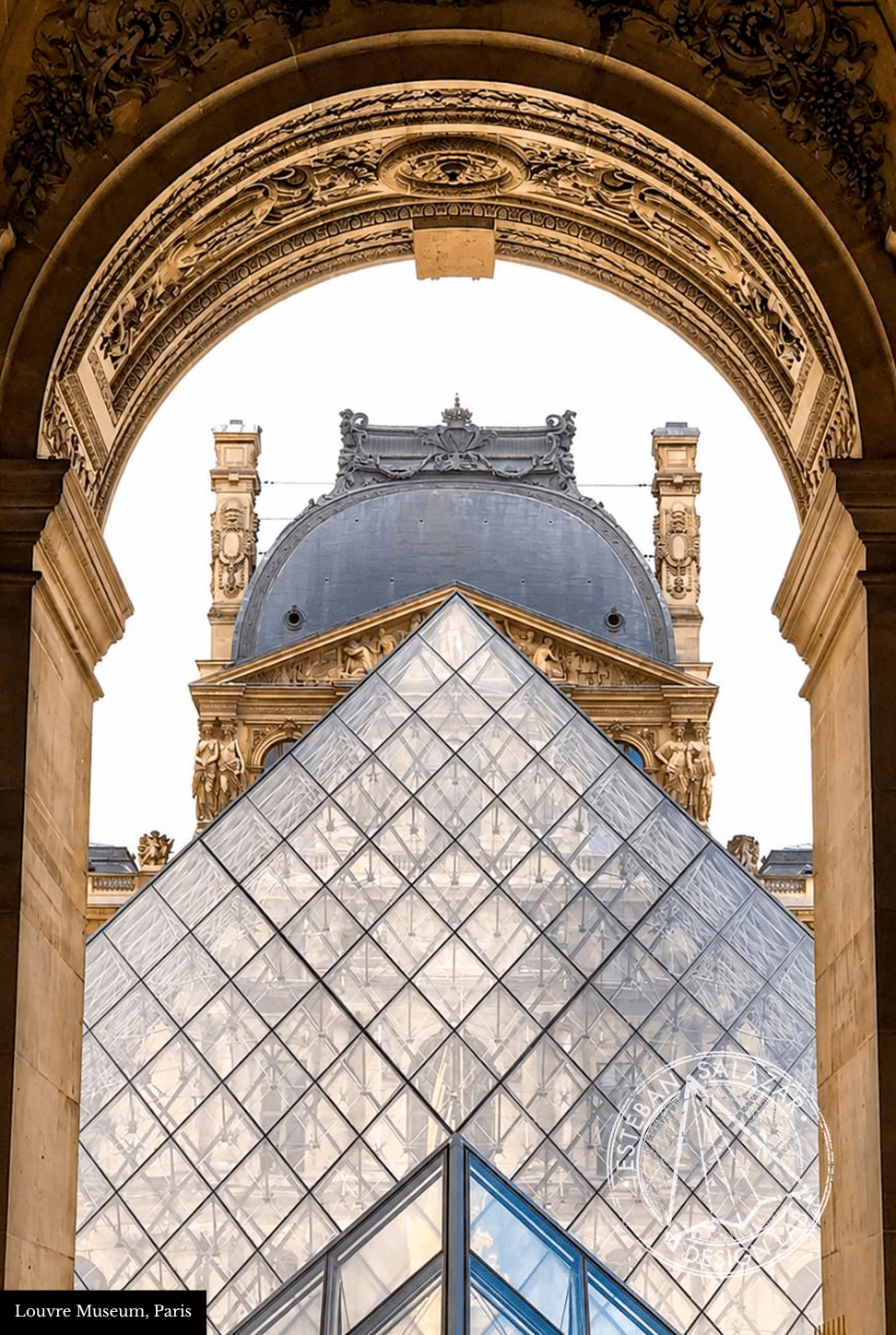
At fifteen, Esteban moved with his family to Paris. Surrounded by a city where architecture, fashion, art, history, and contemporary culture coexist in constant dialogue, his perspective expanded and his creative direction began to take shape.
A Creative Education in Paris
Esteban first studied General Design at Académie Charpentier, developing a multidisciplinary foundation in art, visual culture, composition, and design thinking. He later specialized in Interior Architecture at Créapole, École de Design Paris.
His education extended beyond the classroom through collaborative projects based on real-world briefs for internationally renowned luxury maisons, including Louis Vuitton and Hermès. These experiences allowed him to investigate the relationship between craftsmanship, innovation, storytelling, and luxury brand identity, principles that would later become integral to his own design practice.
Paris also provided opportunities to explore the intersections of interiors, art, culture, and public experience.
In 2009, Esteban participated in a scenography competition for Boffi Bains Paris during Designer’s Days, presenting H₂O Reflections, an art installation developed for the brand’s Paris showroom. That same year, his photographic series Costa Rica desde el cielo was exhibited at UNESCO Headquarters in Paris, marking an early international recognition of his creative vision.
He later joined Zoevox, a Paris-based creative agency recognized by Architectural Digest France. There, he contributed to exhibitions, cultural initiatives, and public events developed for the Municipality of Paris. The experience revealed how design and culture could become instruments for shaping a city’s identity and creating a meaningful public impact.
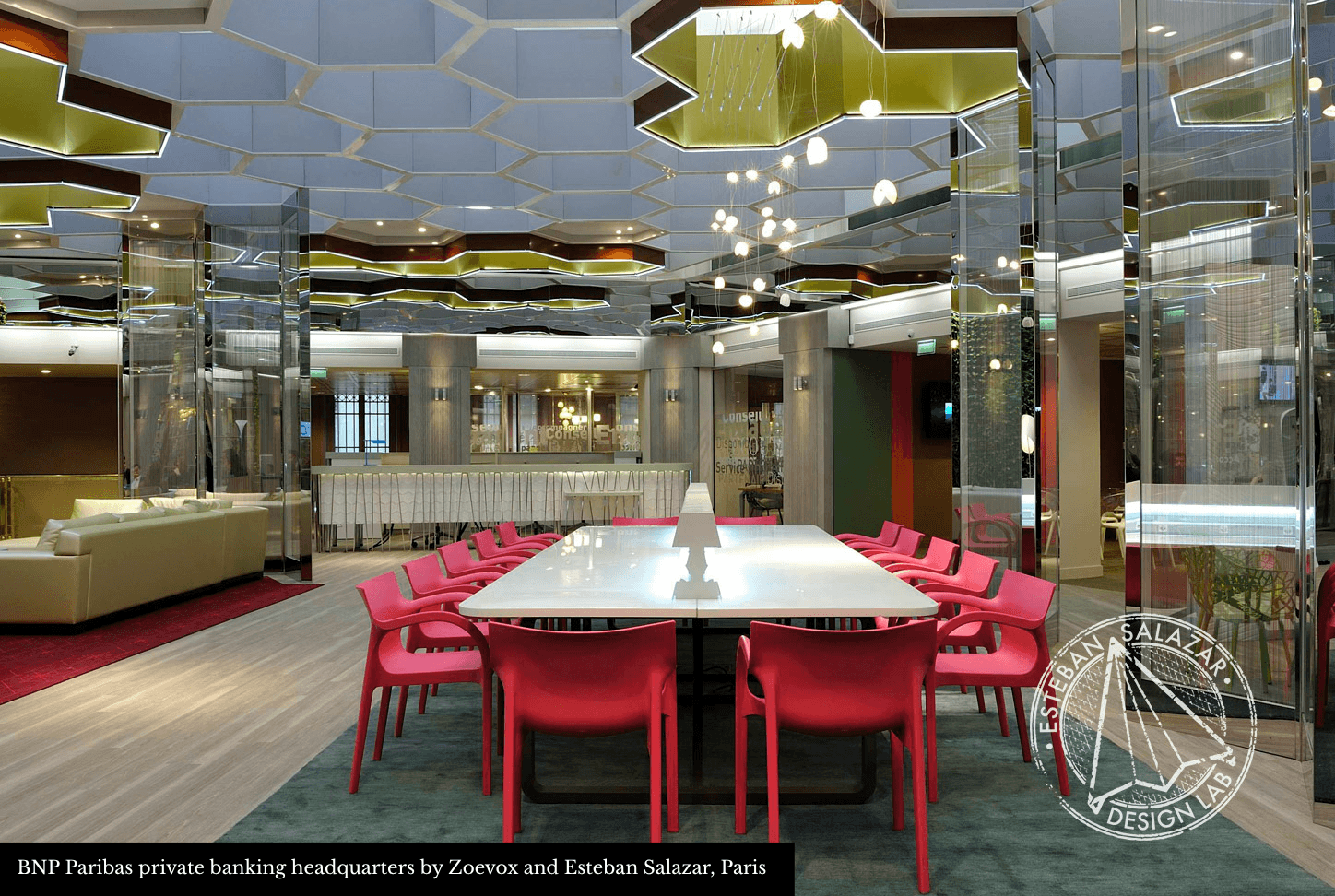
During this period, he also contributed to projects for internationally recognized organizations, including BNP Paribas, where he was involved in the transformation of the bank’s flagship location at 2 Opéra, a major project spanning more than 1,200 square meters in the heart of Paris. He also participated in the design of a pediatric oncology environment developed in collaboration with Disney. Conceived to bring comfort, imagination, and hope to children and their families, the project reinforced his belief in design’s ability to affect people emotionally and improve their experience of even the most challenging spaces.
An International Perspective
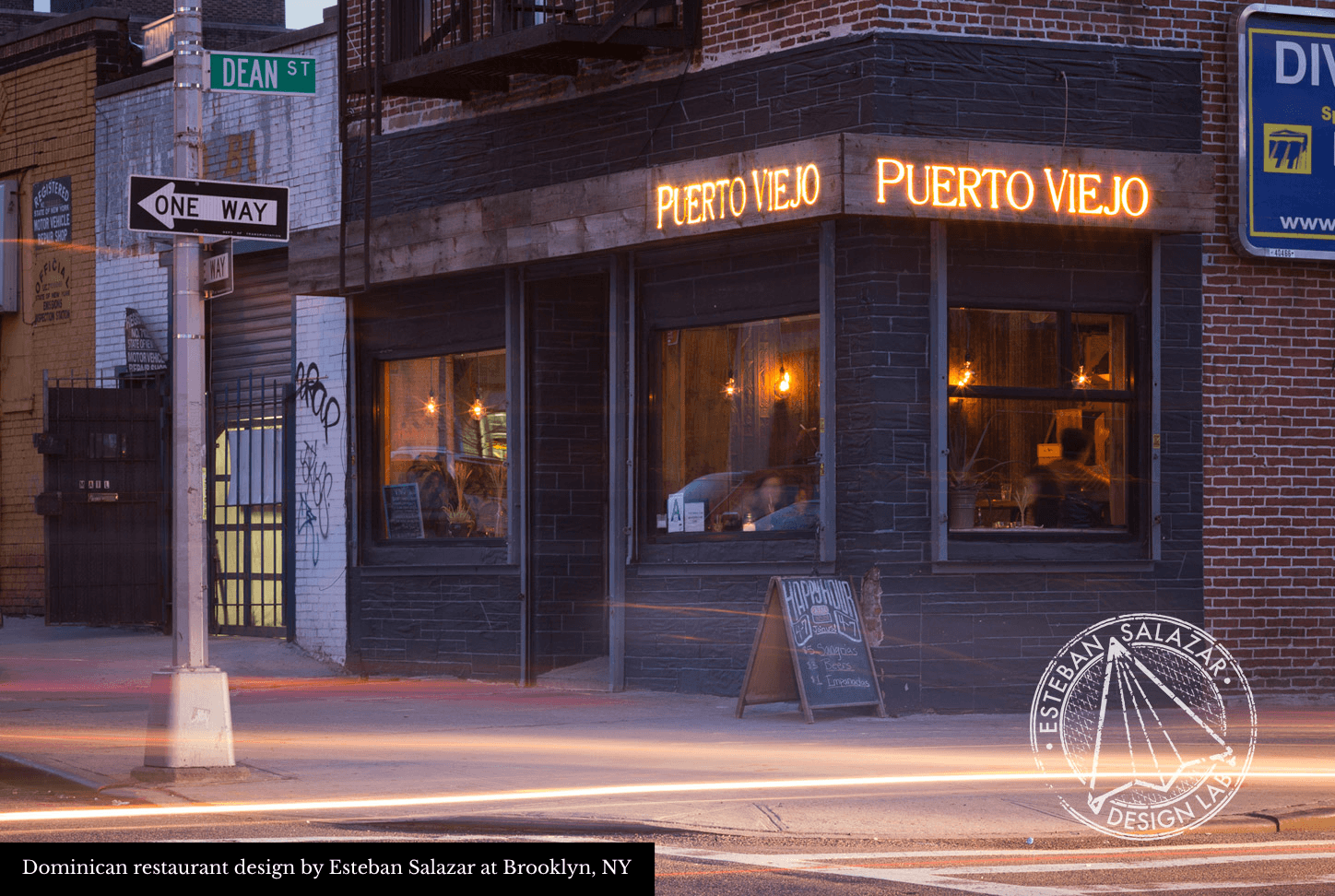
After Paris, Esteban continued his professional journey in New York, where he worked on the transformation of Puerto Viejo, a Dominican restaurant in Brooklyn. The project further expanded his experience across cultures and markets, translating a strong cultural identity into a contemporary spatial experience.
The restaurant was later selected by Vogue México as the setting for the September cover story and fashion editorial video featuring Dominican model Lineisy Montero, an unexpected intersection of interior design, fashion, and visual storytelling.
Esteban eventually returned to Costa Rica with a perspective shaped by international education, professional practice, extensive travel, and exposure to different creative industries. His work has since encompassed projects and collaborations associated with globally recognized companies and brands, including Marriott, Hyatt, Dolce & Gabbana, Adobe Systems, Land Rover, and John Deere.
His creative trajectory has also been featured in design and lifestyle publications. In 2017, Traffic Magazine named him “Man of the Arts,” recognizing his contribution to the intersection of design, art, and culture.
Each experience, from European luxury and Parisian cultural institutions to New York hospitality and Latin American design, has contributed to a practice that is international in outlook while remaining deeply connected to Costa Rica.
From a Personal Vision to Design Lab
This multidisciplinary background became the foundation of Design Lab by Esteban Salazar.
Rather than treating interior architecture, branding, graphics, art, and experience as separate disciplines, the studio approaches them as interconnected elements of a larger creative vision. Every decision, from spatial planning and materiality to lighting, artwork, visual identity, and atmosphere, contributes to how a place communicates and how it is remembered.
Each project begins with a search for identity. Who is the space for? What should it express? How should someone feel upon entering it, and what should remain with them after they leave?
The answers are never predetermined. Design Lab does not impose a signature look or follow trends for their own sake. Instead, the studio develops a distinct language for each project, balancing creativity with strategy and imagination with function.
The resulting environments can be whimsical, dramatic, cinematic, or unexpected, but they are always grounded in a clear understanding of the people, brands, and purposes they serve.
Early in his career, Esteban expressed an instinct that continues to define his work:
“In every space, I like to place at least one piece that provokes surprise.”
Today, that element of surprise can appear through an unexpected material, a sculptural intervention, a bold spatial gesture, a custom artwork, or a detail that changes the way someone understands a room. These moments are not simply decorative. They create emotional connections, distinguish one experience from another, and become part of the story people remember.
Recognition, Responsibility, and Impact
Design Lab’s approach has earned international recognition. The studio is a Marriott Certified Designer and has been distinguished by the Luxury Lifestyle Awards as one of the Top 100 Designers of the World, recognition that reflects its commitment to excellence, originality, and the creation of meaningful hospitality experiences.
Yet the studio’s vision extends beyond aesthetics and commercial design. Esteban believes creativity also carries a responsibility to question, communicate, and contribute to the world around us.
This conviction led to the creation of Fossils of the Anthropocene, an art installation developed in collaboration with 5 Minute Beach Cleanup and Esencial Costa Rica. The work explores the lasting impact of plastic waste on the natural environment, imagining the traces contemporary society may leave behind as the fossils of the future.
Presented in several European cities, including Zurich, Frankfurt, Geneva, and Nice, the installation brings together art, design, environmental awareness, and cultural dialogue. It represents another dimension of Design Lab’s philosophy: creativity can produce beauty, but it can also provoke reflection and inspire change.
Design as a Complete Experience
Today, Design Lab by Esteban Salazar has grown beyond the vision of one person. It is a multidisciplinary platform supported by a team capable of transforming an initial idea into a complete and cohesive experience.
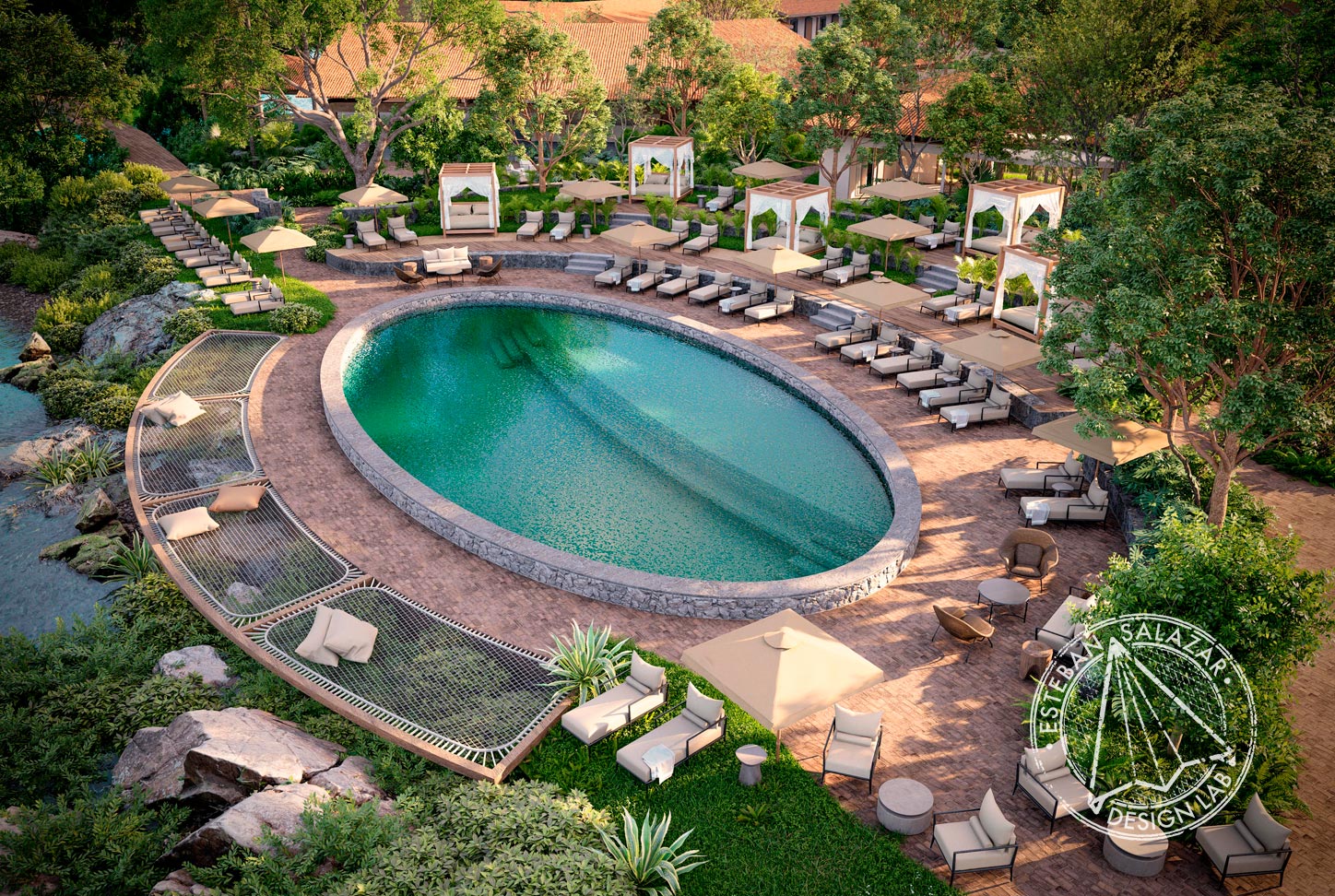
The studio works across interior architecture, hospitality, residential design, restaurants, retail, corporate environments, visual identities, art interventions, and high-end events. This range allows Design Lab to consider a project from multiple perspectives, creating greater continuity between a space, its story, its visual language, and the people who experience it.
Whether designing a hotel, a private residence, a restaurant, a brand environment, or an immersive event, the objective remains the same: to create something with a clear identity and a lasting emotional presence.
For Esteban, the most successful spaces do more than function well or photograph beautifully. They establish a sense of place. They invite discovery. They make people feel something.
Esteban created the vision. Design Lab by Esteban Salazar became the platform through which that vision could evolve, bringing together diverse creative disciplines to design places and experiences that people remember.