Design is never neutral. The spaces where we live, work, and play shape how we feel, how we interact, and even how we imagine the future. When design embraces creativity and a ludic approach, it transforms from a visual discipline into a tool for collective well-being.
The Science Behind Ludic Spaces
Studies in psychology and architecture confirm that ludic and creative environments reduce stress, increase focus, and spark imagination. Natural light, organic forms, and interactive structures trigger positive emotions and improve cognitive performance. Exposure to ludic environments also enhances resilience, collaboration, and innovation—qualities as crucial for adults in workplaces as for children in schools.
Playgrounds, in particular, illustrate this vividly. Research shows that innovative playgrounds attract 2.5 times more visitors, generate nearly 3 times more vigorous activity, and increase community dwell time by over 30%. In schools, children who have access to creative ludic spaces demonstrate better attention, stronger social skills, and improved academic behavior. Play, far from being a distraction, is an essential driver of human growth.
Beyond Childhood: Games for Adults and Communities
Ludic experiences are not reserved for children. Adults benefit equally from ludic design. When spaces invite creativity—whether through interactive furniture, flexible layouts, or sensory details—they unlock joy and social connection. Research on experiential interior design shows that environments designed to stimulate the senses and emotions create lasting impressions, boost happiness, and encourage meaningful interaction. Offices with ludic design features report higher productivity and lower burnout, while community spaces designed with ludic principles encourage strangers to engage, turning public places into hubs of social energy.
From Global Evidence to Local Impact
In Puerto Rico and across Latin America, where culture and community identity are central, ludic design becomes even more powerful. It is not just about decoration—it is about storytelling. Creative design honors heritage while offering new generations tools for imagination and growth. In schools and colleges, ludic design strengthens learning. In workplaces, it supports creativity and collaboration. And in neighborhoods, it turns plazas, playgrounds, and interiors into places of belonging.
This is exactly the vision behind our proposed playground in Guanacaste. Inspired by the Harpy Eagle—a bird once part of Costa Rica’s forests and central to Chorotega heritage—we designed an experiential landscape where giant “eggs” become symbolic nests. These immersive spaces invite children to dream and explore, while giving adults a shared ground for creativity and joy. The project demonstrates how design can carry culture forward, blending ecology, heritage, and ludic elements into a single creative experience.
Why It Matters
Ludic, creative design changes lives because it acknowledges that humans thrive on imagination. It teaches children resilience, helps adults find balance, and strengthens community identity. When we design with a ludic approach, we create not just beautiful spaces, but healthier, happier, and more connected societies.
That’s why at Design Lab, we approach every project with a ludic and creative mindset — always thinking about people’s well-being. From playgrounds to interiors, we design spaces that inspire imagination, strengthen communities, and make everyday life richer and more meaningful.
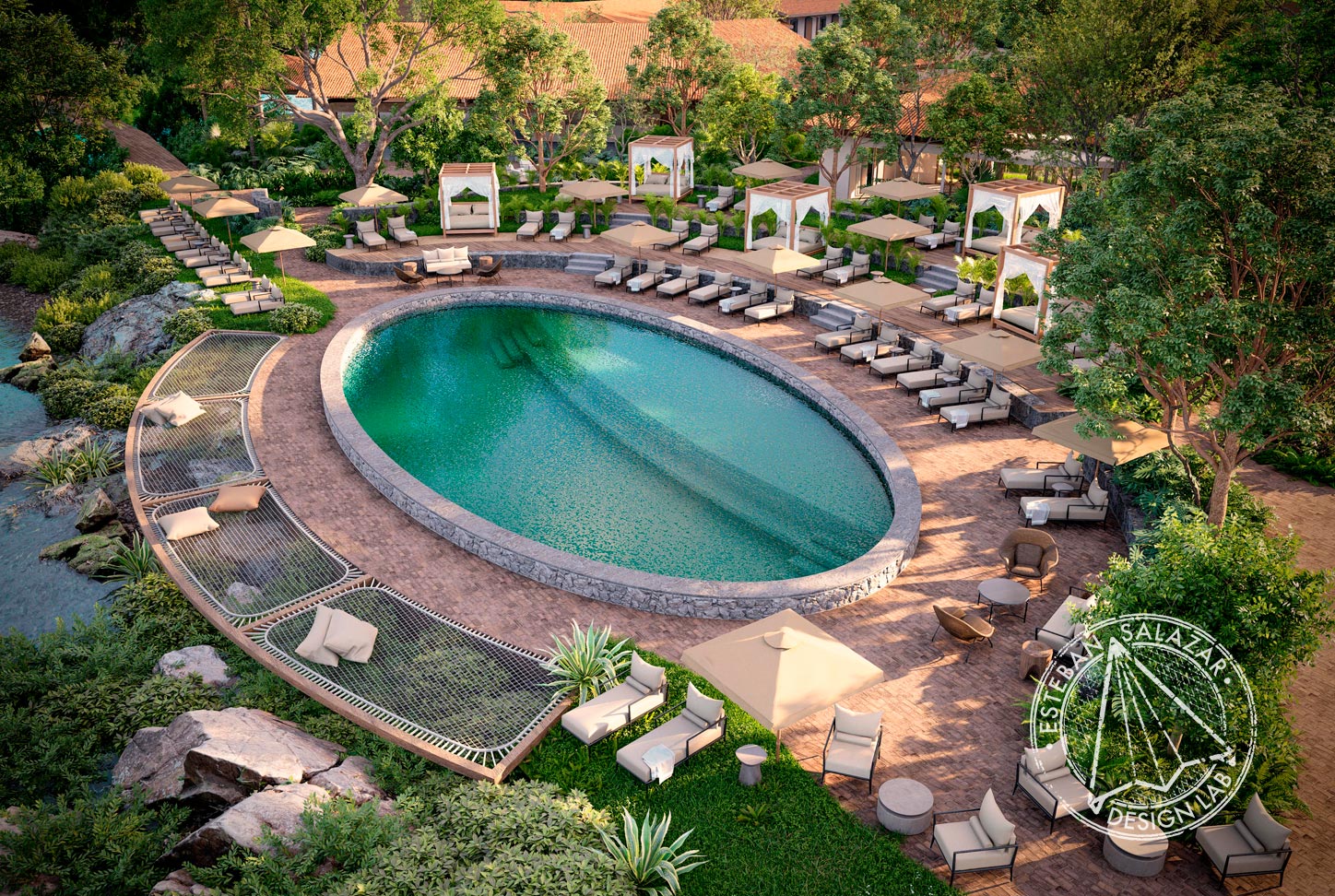
The images throughout this blog highlight several of our projects, showing how our philosophy of ludic, creative design takes shape in different contexts and transforms everyday experiences.